
Share |

Why create a backyard wildlife habitat?


 This young California Condor is
 one of only 327 left in the world.
 Habitat destruction, poaching and
 lead poisoning had reduced
 numbers to 30 by the time a
 captive breeding program was
 started.(USFWS)


Reason One

By every measure, earth is losing natural habitat and species at an alarming rate. Extinction rates for plants and animals are so high they're threatening our planet's ability to sustain the resources humans need for survival, like forests, oceans, healthy soil, potable water.

Extinction is nothing new. Every year some new species emerge and some are gone forever. But the earth is now experiencing an extinction rate that's huge: Scientists estimate that every year up to 50,000 species disappear forever because of human activity.

Take birds, as an example. The expected extinction rate for them is about one species per century. Yet, 500 species have gone extinct in the past 500 years and current studies predict that 10 additional species will go extinct every year from hereon if something isn't done to reverse this pattern. What's causing this? The usual suspects: habitat destruction, over-hunting, ill-advised introduction of alien species into established ecosystems and, now, global warming.

Reason Two

You get to observe exotic species. The idea of our urban wildlife as "exotic" may seem farfetched. But exotic means out of the ordinary and most of what we deem commonplace in our part of the world is unusual to someone living in a very different environment. Conversely, their most commonplace species may be exotics to us. Consider this:
 
   The Northern Cardinal, that brilliantly colored favorite of many backyard birdwatchers, is an
      exotic species to anyone who doesn't live in the Americas.

   •  The cheery Carolina Chickadee is known in only a handful of states in the southeastern U.S.
      and nowhere else in the world.

   •  The California Condor, our largest bird species, lives only in California and Arizona. People travel
      around the world just to catch a glimpse of one of these majestic, rare birds who live on the
      edge of extinction.

   •  The Florida Scrub Jay lives only in one small area of Florida. The Yellow-billed Magpie lives
      only in California. The rest of the U.S. will never see one of them.

   •  There are 15 bird species who live only within the geographic borders of the U.S. and
      nowhere else in the world.

   •  One hundred sixty bird species are unique to North America and Mexico. Another 750 bird
      species live only in North America and south to Panama and the Caribbean. No one else in
      the world gets to see these species.

   •  In the U.S. and Canada, about 92,000 species of insects have been named so far. Thousands
      of these species live in your part of the country and nowhere else in the world.

   •  Two hundred thirty-three mammals are endemic only to North America and Mexico.
 
   •  Among plant species, 7,807 are unique to North America and Mexico.

When we watch a "common" Northern Cardinal at a bird feeder, happily consuming the black-oil sunflower seeds we've provided, or the "common" American Robin searching for worms in a freshly watered garden, we're seeing beautiful birds who most people in the world will never see. Even the ubiquitous Virginia Opossum is unique -- they're the only marsupial living in the U.S.

Who hasn’t excitedly planned a vacation in one of the most scenic, naturalized spots in the world that would fit within our budget? Perhaps your dream is an Amazon cruise, an African safari, birdwatching in Europe or New England in the fall. Maybe it's camping on tree-studded mountains in Colorado or rafting through the Grand Canyon. We're drawn to areas of beauty defined by forests, wilderness, and unspoiled vistas. We listen in wonder to the sounds of wildlife -- the sweet voices of songbirds, the haunting call of the coyote, a tiger's roar, the trumpeting of elephants, the other-worldly song of a whale. We love natural areas so much that we wage war against politicians when they propose to drill for oil in the Arctic or threaten to build roads in old-growth forests.

Urban land -- the land we city folks live on -- was once some of that wilderness we so admire. Before humans stripped it of its native life, your plot of ground was covered with trees and undergrowth. Or, depending on where you live, maybe it was a savanna, playing host to a tangle of grasses and an oasis of trees. Or a prairie dotted with wildflowers and tall, windblown grasses. All the loveliness of your land was the result of millenniums of animal and plant activity.

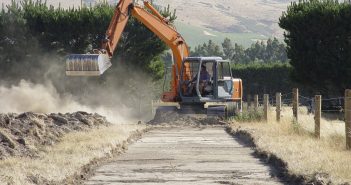
When developers tame our property into urban standards of acceptability, they forfeit our stake in nature. Not only that, but they rob indigenous animals and plants of habitat and sometimes their lives.

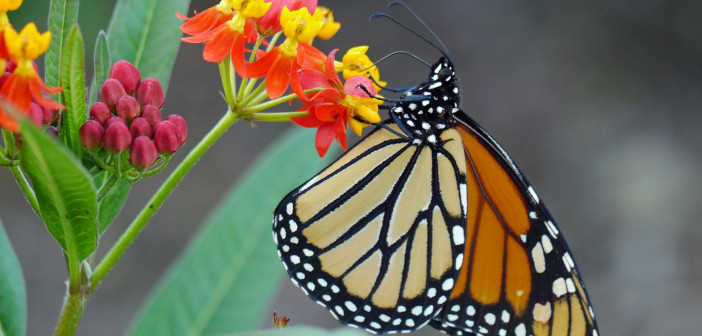
     Even a small patch of yard dedicated to wildlife is better
     than doing nothing. This homeowner
planted a butterfly
     garden.


The good news is that nothing prevents us from inviting nature back, even in the heart of a city. We can't put it back exactly like it was before. Even if we could, most of us don't want to go quite that far. But, more and more, people are coming to realize that some of what was taken must be returned, and it's within our power to do it. We’re looking for a balance that fits the needs of both humans and wildlife. Even if your "outdoors" is an apartment patio or a pocket garden, even if your wildlife habitat is only a corner of your yard or a butterfly garden surrounded by lawn, you're giving something back.

When we provide them the essentials they need to live, there will be life all around us -- in the trees and shrubs, in the soil, in the water, under the rafters and in the air.

Reason three

Planting for backyard wildlife improves air quality, nourishes the soil and reduces erosion. Shade from trees planted judiciously cools our home. Shrubs can create privacy and buffer the noise of street traffic.

Reason four

Trees, shrubs and flowers add beauty and interest to your yard (and, incidentally, adds value to your property).

Still unconvinced?

Here's some of what's missing from our yards when we don't provide for wildlife:

   •  Birds (no insects or desirable seeds to eat)
   •  Rabbits (no tasty wild greens to forage on)
   •  Bats (no insects)
   •  Bees (insufficient nectar-producing flowers)
   •  Butterflies and moths (no host plants for their larvae; no nectar for adults)
   •  Wildflowers (death by herbicide)
   •  Ladybugs, fireflies, all other insects (death by insecticide)
   •  Tree frogs (no insects to eat)
   •  Turtles (no insects or wild greens to eat)
   •  Carnivorous mammals (no rabbits, other meaty foods available)
   •  All of the above (no places for nest-building or safely rearing young)


  Hosted by Skyle Tech, Inc. ..           

All Content © 2012 Welcome Wildlife  Contact  |   About   |  Site Map   |  Privacy Policy   |   Site Credits